

A Modern EC Poultry Farm: The Journey to High Profits and Zero Loss Integration
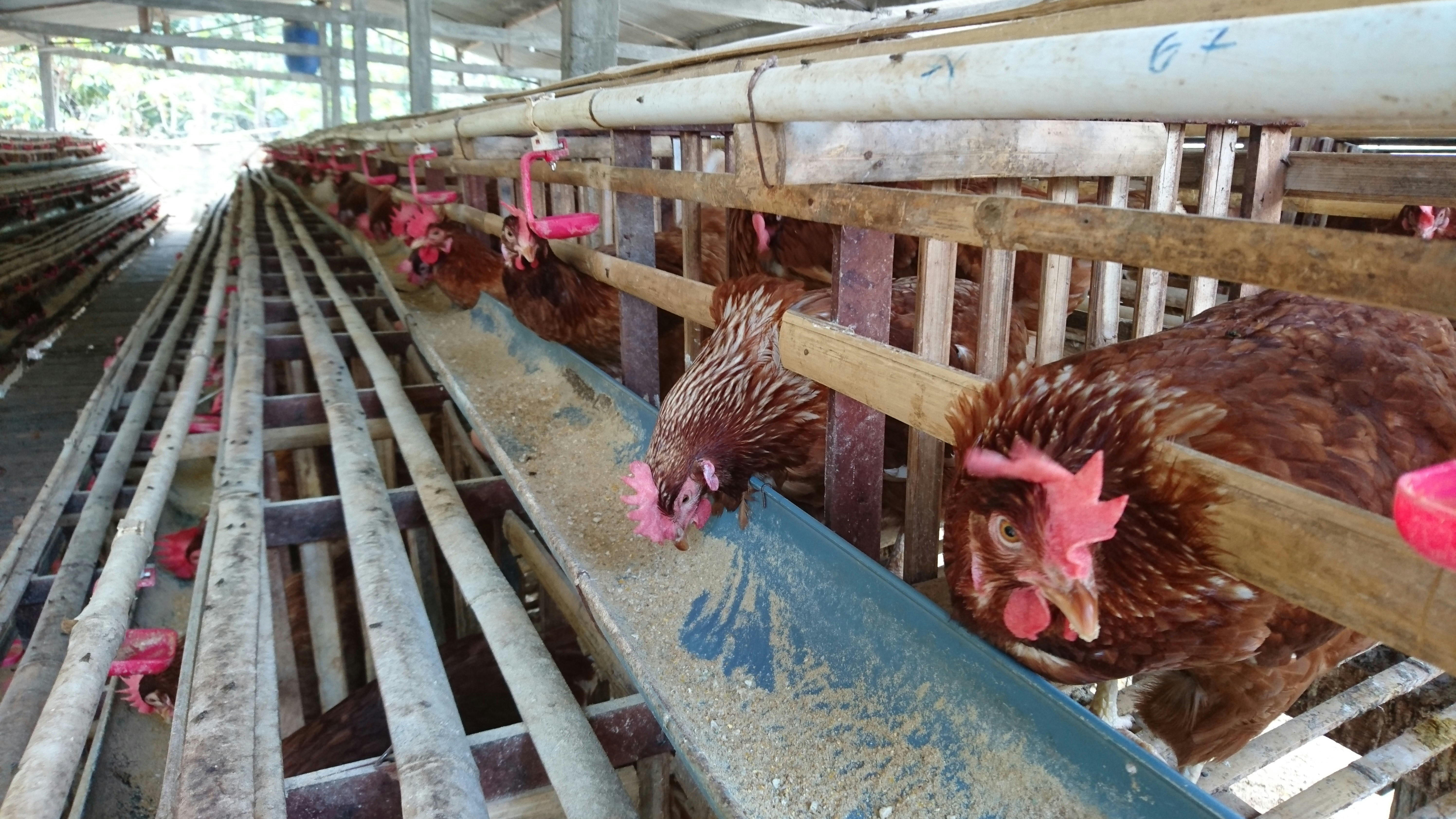
- Introduction to The A Modern EC Poultry Farm Business
- Understanding the Business Model – A Modern EC Poultry Farm
- High Payment Systems and Automation – A Modern EC Poultry Farm Business
- Innovative Farming Techniques A Modern EC Poultry Farm
- The Role of Data and Analytics
- Success Stories from the Field – A Modern EC Poultry Farm
- Sustainability Practices in EC Poultry Farming
- Challenges and Solutions in EC Poultry Farming
- Conclusion and Future Outlook – A Modern EC Poultry Farm
Introduction to The A Modern EC Poultry Farm Business
Easy Steps Use And Read Now, Follow This Steps Success Your Polutry Business Al Content Read Or Follow Steps
EC poultry farming or Eco Climate poultry farmings refers to a an innovative approach to the a poultry production that emphasizes sustainability and efficiency while reducing environmental impact This modern farming methodology integrates advanced technologies and practices aimed at maximizing productivity and profitability in poultry operations
The significance of EC poultry farming in sustainable agriculture cannot be overstated With the global population projected to a exceed 9 billion by 2050, demand for protein rich foods, particularly poultry is on the rise the Traditional farming techniques often struggle to a meet these demands while simultaneously addressing environmental concerns, EC poultry farming offers a solution by employing techniques that not only boost yield but also conserve natural resources
Modern EC poultry farming practices incorporate elements such as the precision feeding biosecurity measures, and automated climate control systems, which optimize growth conditions for the poultry These advancements reduce resource consumption and a contribute to decreased green house gas emissions, Through the application of a real time data analytics, farmers can a make informed decisions about feed health management and environmental conditions to ensure high productivity with minimal waste
Moreover the integration of technology into traditional poultry farming practices represents is a significant evolution in how we produce food, The adoption of smart farming techniques, such as Lot devices and monitoring and adjustment of farm operations leading to improved animal welfare and a reduced mortality rates By seamlessly blending modern innovations with time honored methods EC poultry farming stands as a testament to how the agriculture sector can adapt to contemporary challenges
In conclusion the introduction of EC poultry farming paves the a way for a more sustainable and economically viable future in poultry production, It addresses both the growing global protein needs and the pressing environmental challenges, thereby establishing a balanced approach to the modern agriculture
Understanding the Business Model – A Modern EC Poultry Farm
The business model of successful EC Environmental Control poultry farms is a multifaceted encompassing a variety of the elements that collectively contribute to sustainable profitability while minimizing losses At the core the a cost structure is primarily categorized into fixed costs and a variable cost, Fixed cost include investments in the infrastructure, such as poultry houses and a specialized equipment for climate control which are crucial for maintaining optimal living conditions for the chicks, These costs are incurred regardless of the a production level thus making them significant over time
Variable costs on the other hand relate to day to day operational expenses, This includes feed water health care and labor, Effective management of a these costs is essential to achieving high profit For instance the type of feed utilized not only affects growth rates but also impacts overall health which subsequently translates into reduced veterinary expenses, As a result maintaining a balance between quality feed and health management is key to minimizing costs and maximizing productivity
Revenue streams for a EC poultry farms primarily arise from selling poultry farm products which may include meat, eggs, and a even by products like feathers or manure Diversifying revenue streams is also a the strategic approach to enhance profitability, Some farms have embraced value added products such as organic eggs or processed meat, which can command higher market prices, Additionally exploring niche markets such as a local supply chains or direct to consumer sales can further augment revenue
The integration of the technology is another significant component in enhancing the financial success of poultry farms, Utilizing data analytics for monitoring flock performance optimizing feed conversion ratios and automating management processes can lead to reduced labor costs and improved output Consequently these strategies contribute to a the solid profitability metric paving the way towards sustainable growth in the competitive poultry farm
High Payment Systems and Automation – A Modern EC Poultry Farm Business
In contemporary poultry farming particularly within the Enterprise and a Commerce EC model the integration of high payment systems and automation technologies is essential for improving productivity and ensuring profitability This approach enables farmers to adopt progressive payment solutions that facilitate seamless transactions and financial management reducing the risks associated with manual processes
Automated payment systems including mobile payments and online banking, enable real time transactions which helps in the streamlining cash flow With these systems, farmers can easily manage payments for feed healthcare and other vital services without traditional delays, As a result poultry farm operations can a maintain a steady cycle of cash flow a critical aspect of maintaining high levels of profitability
Moreover automation technologies extend far beyond just payment systems. Utilizing advanced data management software allows poultry farmers to monitor and analyze various metrics related to for production, such as feed conversion rates growth patterns and environmental conditions, These insights facilitate informed decision making that directly affects resource allocation, ultimately leading to cost reductions and the improved operational efficiency
The combination of high payment systems and automation minimizes human error and a enhances the accuracy of transactions and data management, For instance automated feed dispensing systems ensure precise quantities are the administered to each flock, resulting in optimal growth and the lowered feed costs, As such this technological integration reduces the risks that are often prevalent in the traditional farming methods such as overfeeding or underfeeding, which can lead to significant financial losses
In summary, the implementation of high payment systems alongside automation technologies forms is the backbone of a modern EC poultry farm, promoting effective resource management reducing operational costs and ultimately driving increased profits The a pivotal role of these systems not only enhances profitability but also establishes a resilient frame work for sustainable farming practices in the poultry farm
Innovative Farming Techniques A Modern EC Poultry Farm
Modern poultry farming has witnessed a remarkable transformation through the integration of innovative farming techniques that a prioritize animal welfare, productivity, and sustainability. One of the most significant advancements in this field is the implementation of smart housing systems, These systems utilize automated temperature, humidity and ventilation controls to the create ideal living conditions for poultry, Such environments not only promote the health and well being of the birds but also enhance their growth performance, ultimately leading to improved profitability for poultry farmers
In addition to smart housing, biosecurity measures play a the crucial role in maintaining the health of poultry flocks, The adoption of rigorous biosecurity protocols helps prevent the introduction and spread of diseases that could severely impact productivity and lead to a substantial financial losses, This includes strategies such as controlled access to farm areas regular health monitoring and vaccination programs, By ensuring a disease free environment farmers can safeguard their investments and optimize flock performance
Advanced feeding practices have also emerged as a the cornerstone of modern poultry farming, The use of precision nutrition tailored to the specific needs of different poultry breeds enhances feed efficiency promoting faster growth and reducing waste, With the introduction of high quality feed options that are rich in essential nutrients, poultry farms can achieve higher egg production rates and healthier meat yield. Moreover, the practice of supplementing feed with probiotics and enzymes has shown promise in improving gut health, further driving productivity while minimizing losses
By embracing these innovative techniques, EC poultry farms are well positioned to the optimize their operations resulting in high profits and minimal losses The convergence of technology and farming practices not only supports economic growth but also fosters a sustainable future for poultry production
The Role of Data and Analytics
In the contemporary landscape of poultry farming data and analytics have emerged as pivotal elements that underpin operational efficiency and profitability, The integration of advanced technologies allows poultry farmers to gather a vast array of data points, ranging from environmental conditions to feed conversion ratios, By utilizing sensors, IoT devices, and automated data collection systems, farmers can now monitor various aspects of their operations in real time.
One salient example is the use of environmental sensors that track temperature and humidity levels within poultry houses, This data not only aids in ensuring optimal living conditions for the birds but also allows farmers to identify potential issues before they escalate. For instance, utilizing analytics to interpret this data can reveal patterns that help in predicting how environmental changes may affect poultry growth rates, thus enabling proactive measures to be taken.
Additionally, data analytics play a crucial role in feed management. By analyzing feed consumption and performance data, farmers can optimize feed formulations and adjust rations accordingly. This not only minimizes waste but also leads to improved feed efficiency, ultimately enhancing profit margins. Case studies have shown that farms which employ data driven decision making have recorded significant improvements in their key performance indicators.
Further more data analytics facilitates enhanced biosecurity measures By analyzing historical disease outbreaks and patterns, farmers can implement strategic interventions and disease prevention protocols that are tailored to the specific risks of their operations, This reduces the incidents of disease, thereby minimizing the economic losses associated with poultry health crises
The success stories of various poultry farms underscore the transformative effect of data and analytics in the agricultural sector, These farms demonstrate how a commitment to collecting and analyzing data not only leads to better decision making but also fosters a more resilient and productive poultry farming ecosystem
Success Stories from the Field – A Modern EC Poultry Farm
Across the globe numerous EC poultry farmers have embraced innovative practices that have not only transformed their operations but have also led them to remarkable financial success, These entrepreneurs have displayed extraordinary tenacity and adaptability, over coming various challenges along their journey toward achieving high profits while minimizing losses
One notable example is Farmer Jane Smith, who implemented a cutting-edge biosecurity program at her farm, By focusing on disease prevention measures, she successfully reduced mortality rates and improved overall flock health, This strategy included rigorous vaccination protocols and a strict visitor policy which contributed to her poultrys exceptional growth rates and ultimately drove her profits up by 30% within just one year, Jane’s ability to adapt to changing market demands further solidified her position as a leader in her community show casing how a proactive approach can yield substantial rewards
Another inspiring case comes from Farmer Tom Nguyen who integrated smart farming technologies into his the poultry operations, Using data analytics to monitor feed conversion ratios and health metrics Tom was able to optimize his production processes efficiently. His data driven approach not only saved costs but also allowed him to scale his business rapidly, increasing his revenue by over 50% in three years, Toms story emphasizes that embracing technological advancements can significantly enhance productivity and profitability in modern poultry farming
Moreover, Farmer Angela Brown dedication to sustainable practices has gained her both recognition and the financial success, By adopting a circular economy model she turned farm waste into biogas, which in turn powered her operations, This innovation not only reduced waste costs but also attracted interest from environmental organizations, allowing her to access additional funding to expand her farm, Angelas experience illustrates the importance of sustainability in driving contemporary poultry farming toward greater profitability
Sustainability Practices in EC Poultry Farming
Sustainability practices play a crucial role in EC poultry farming, significantly influencing both environmental impact and economic viability. The innovative model of ecological consciousness in the poultry production has gained traction as farmers increasingly recognize the benefits of eco friendly methods, By implementing sustainable practices, farms achieve not only immediate gains in profitability but also long term advantages that bolster their market position.
One of the core elements of sustainability in poultry farming is the effective waste management. Farmers can convert poultry waste into valuable resources through composting and biogas production, reducing environmental pollution while providing organic fertilizers for crop production, This not only minimizes disposal costs but also enhances the farm’s overall sustainability, Additionally, utilizing chicken manure as a fertilizer closes the loop between waste and nutrient cycling, fostering healthier soils and promoting biodiversity.
Another significant aspect of sustainability is the incorporation of renewable energy sources on farms. Many EC poultry operations are now integrating solar panels and wind turbines to power their facilities. By harnessing renewable energy, these farms reduce reliance on fossil fuels, lower green house gas emissions and cut energy costs, Furthermore, this application of clean energy not only represents a significant environmental commitment but also offers a marketing edge by appealing to increasingly eco conscious consumers.
Community engagement is equally a vital component of sustainable poultry farming, Establishing partnerships with local organizations can enhance the farms social responsibility profile, By promoting education about sustainable farming practices, supporting local economies and participating in community initiatives EC poultry farms create a positive image that resonates with consumers, This engagement reinforces a commitment to sustainability while positioning the farm as a leader in the industry
Challenges and Solutions in EC Poultry Farming
Poultry farming specifically in an environmentally controlled (EC) setting, brings unique challenges that modern farmers must navigate Among the a most significant obstacles are disease outbreaks market fluctuations, and stringent regulatory compliance. Each of these factors can substantially impact the productivity and profitability of an EC poultry farm.
Diseases such as avian influenza and New castle disease represent a considerable threat to poultry health. Outbreaks can lead to catastrophic losses not only in terms of chicks but also in revenue. A proactive approach to vaccination and biosecurity measures is crucial to mitigate this risk, Farmers increasingly use predictive analytics to identify potential disease outbreaks early, enabling them to implement containment strategies before outbreaks escalate.
Market fluctuations pose another challenge often driven by consumer demand, feed prices and competition. Price volatility can directly affect farmers bottom lines To cushion against these market swings, many farmers have the adopted diversified production strategies and alternative revenue streams such as value added products. Engaging in community supported agriculture (CSA) programs or direct to consumer sales can also enhance financial resilience by providing more stable income sources.
Regulatory compliance is a the critical aspect of poultry farming that requires vigilance and adaptability, Regulations regarding animal welfare, food safety and environmental impact can be complex and stringent To adhere to these regulations, EC poultry farms often invest in training and technology that monitor compliance effectively, Utilizing management software that integrates regulatory requirements can ease this burden significantly
In conclusion while challenges in EC poultry farming can be a significant, effective solutions and risk management strategies are available. By implementing proactive measures, diversifying income sources and focusing on compliance, modern farmers can navigate these obstructions effectively, ensuring a robust and sustainable poultry production system.
Conclusion and Future Outlook – A Modern EC Poultry Farm
In light of the continuous advancements in technology and practices modern EC poultry farming presents promising opportunities for a enhancing profitability while minimizing losses The journey towards achieving high profits in poultry farming is significantly linked to the integration of innovative solutions that streamline operations, improve animal welfare, and optimize resource utilization. Key takeaways from this discussion highlight the importance of automation, data driven decision making and sustainable practices
The adoption of the technologies such as automated feeding systems, climate control mechanisms, and health monitoring tools has revolutionized the way poultry farms operate, These innovations not only lead to increased efficiency but also ensure the well being of the chicks, which is pivotal in the quest for food security, As the world faces growing population challenges the role of poultry farming becomes even more critical in providing a reliable protein source
Looking ahead the poultry farm industry is poised for further transformations driven by advancements in genetics, nutrition and overall farm management. Trends such as vertical farming and regenerative agriculture are emerging focusing on sustainability while meeting is the rising demand for poultry products Additionally the integration of artificial intelligence and machine learning is likely to enhance predictive analytics, enabling farmers to make more informed decisions.
Embracing these trends will be essential for poultry producers aiming to thrive in a competitive market. By investing in modernization and adapting to new methodologies, stakeholders can ensure that they not only meet the demands of the today but also prepare for the future of poultry farming. The journey is ongoing, and the potential for a growth remains substantial underscoring the importance of remaining agile and informed within this evolving landscape
Please Follow This Stepos And Success Poultry Farming Business Now